
In September 2026, US power technology company Vicor filed a complaint with the US International Trade Commission (ITC), alleging patent infringement involving vertical power delivery (VPD) for AI chips. The ITC instituted an investigation on October 9, 2026. The named companies include Delta Electronics, Infineon, Luxshare Precision, Monolithic Power Systems (MPS), Flex, Celestica, Quanta and Foxconn.
The dispute extends from the power modules used with chips to the computing systems that incorporate those modules. Both power component suppliers and contract server manufacturers are involved.
The technology: bringing power closer to AI chips
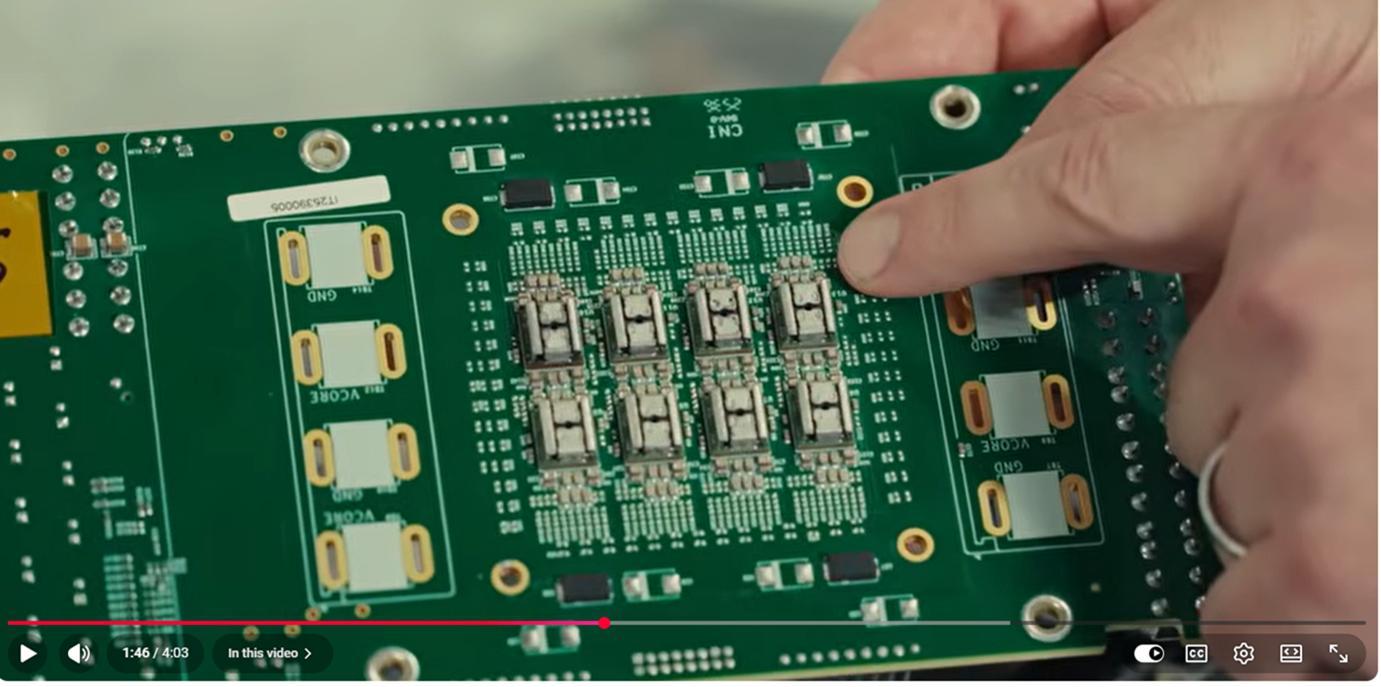
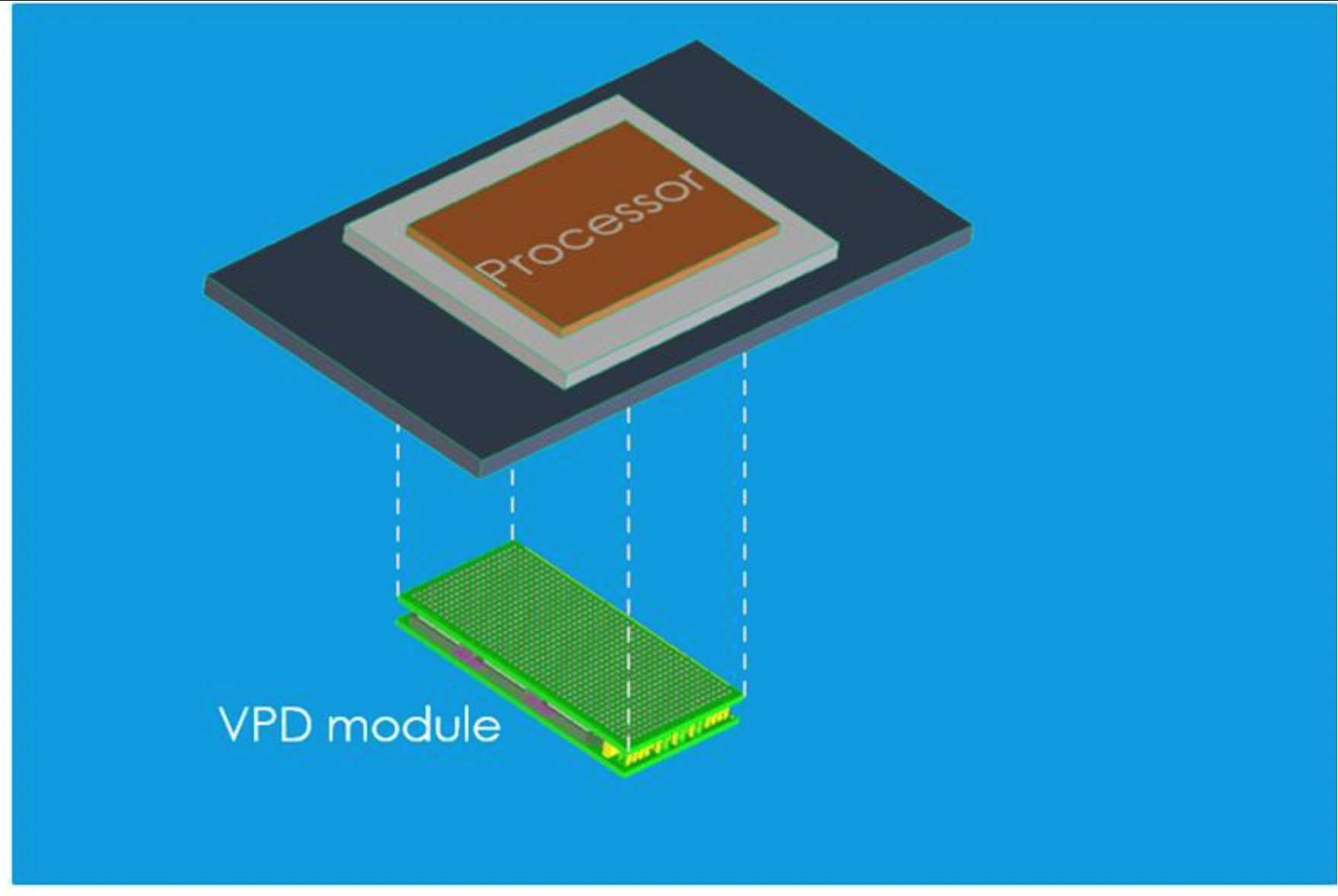
AI chips consume substantial power at very low operating voltages, requiring very high currents. The farther that current travels across a motherboard, the greater the losses and heat. Conventional arrangements place power modules beside the chip. Vertical power delivery instead supplies power through a vertically stacked arrangement, often placing modules on the back of the motherboard directly opposite the chip, shortening the high-current path.
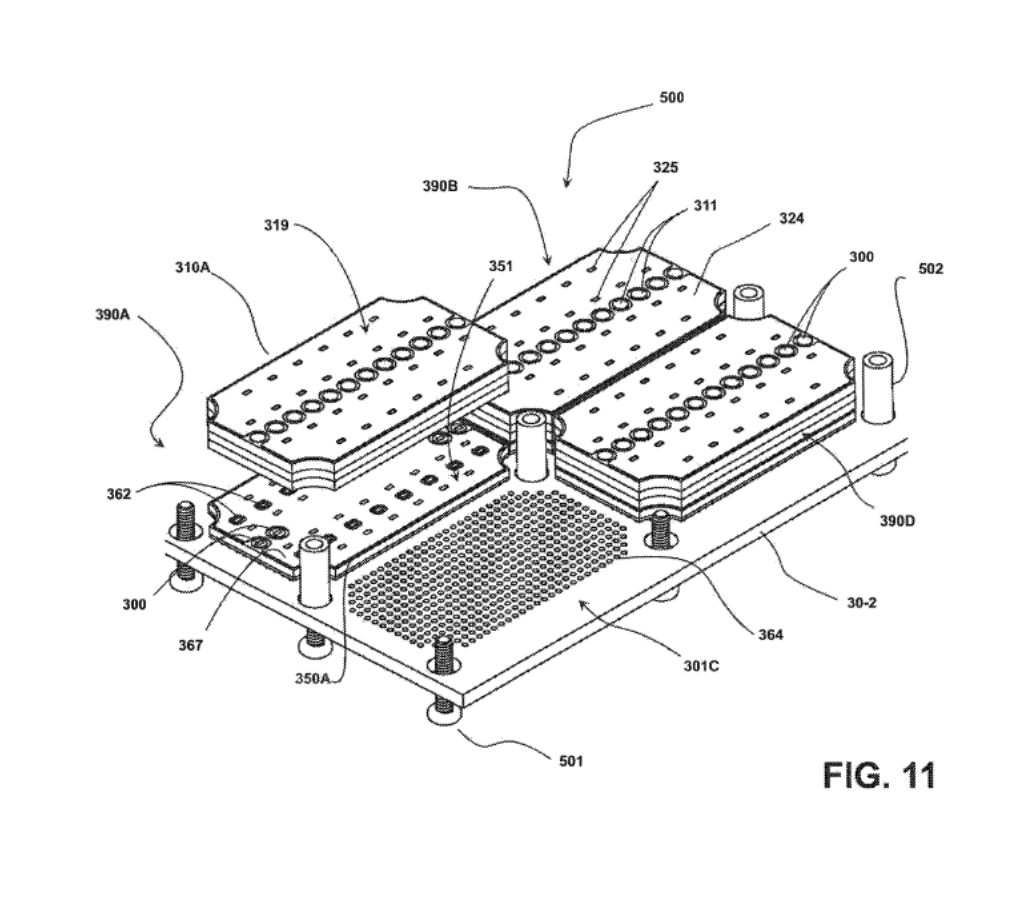
Vicor’s US patent US10903734B1 concerns the stacking and interconnection of power modules, an interconnection board and a chip. In simple terms, the dispute concerns how multiple power conversion units are combined and connected through a board to deliver power to the chip. Vicor alleges that the accused products use structures and assembly methods covered by its patent.
An application of Vicor’s technology
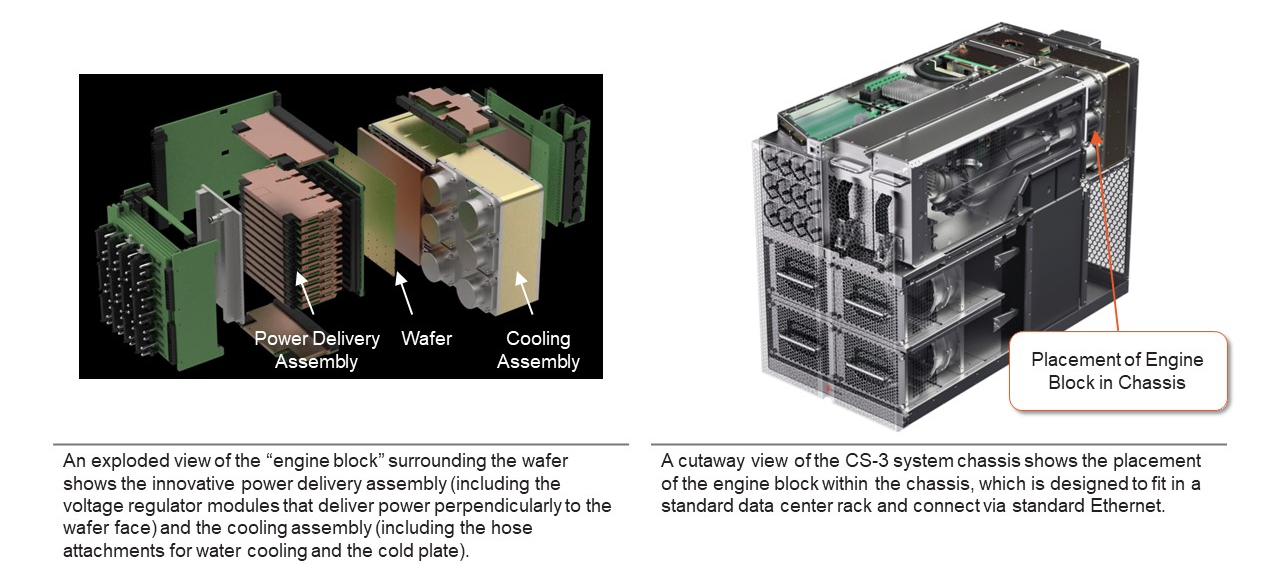
Cerebras, a US developer of wafer-scale AI processors, integrates a large number of computing regions across a wafer into a single large AI processor, its Wafer-Scale Engine (WSE). In its complaint, Vicor states that it has helped Cerebras address power delivery since 2017 and has supplied vertical power delivery systems for WSE-1 through WSE-3.
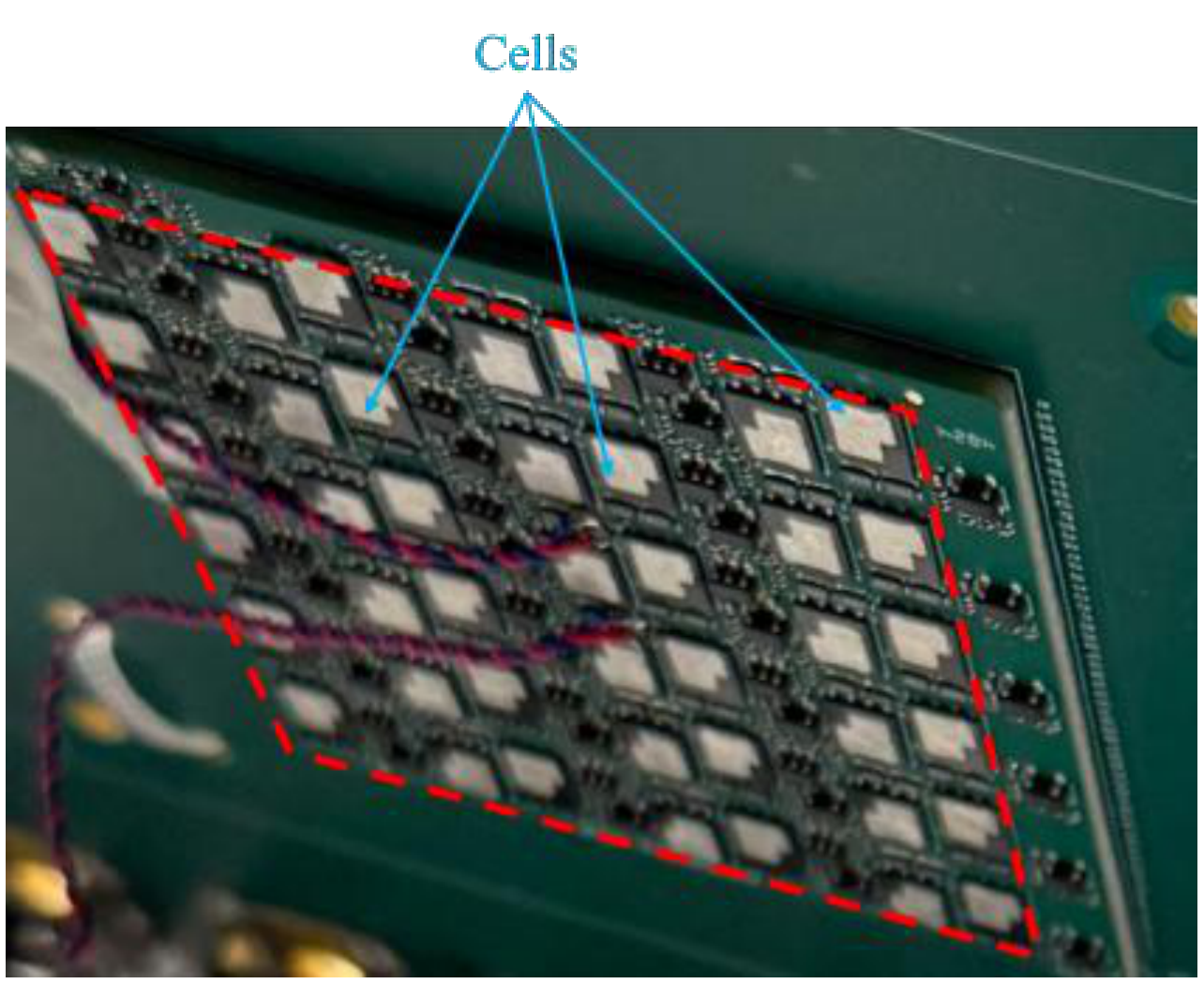
According to the complaint, the WSE uses 84 modules to supply power to different regions of the wafer. Power flows downward from a 54 V source above, delivering up to 30,000 A at 0.7 V. The patent drawing above illustrates the stacking arrangement with a 2 × 2 module array.
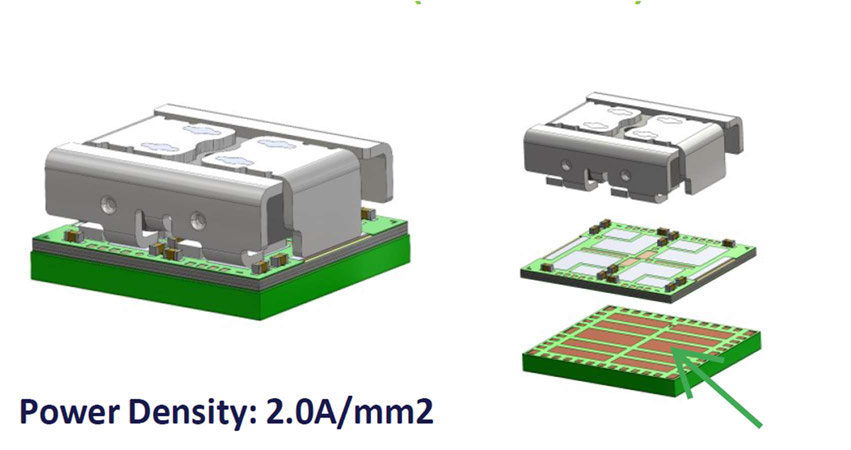
Vicor stacks a multi-cell power converter with an interconnection structure it calls a “Gearbox.” The arrangement combines a capacitive layer, lateral connections and inter-digitation between the converter’s output terminals and the chip’s input power terminals to shorten high-current paths, reduce losses and increase power density.
The respondents’ roles in the supply chain
- Power semiconductor and power module suppliers: Delta, Infineon, Luxshare and MPS.
- Module supply and system manufacturing: Flex.
- Computing system manufacturing and contract manufacturing: Celestica, Quanta and Foxconn.
Power semiconductor and power module suppliers
Delta
| Company | Description |
|---|---|
| Delta Electronics | Delta Electronics, Inc. |
| Delta Electronics (Americas) | A US subsidiary of Delta |
| DET Logistics (USA) | A US subsidiary of Delta |
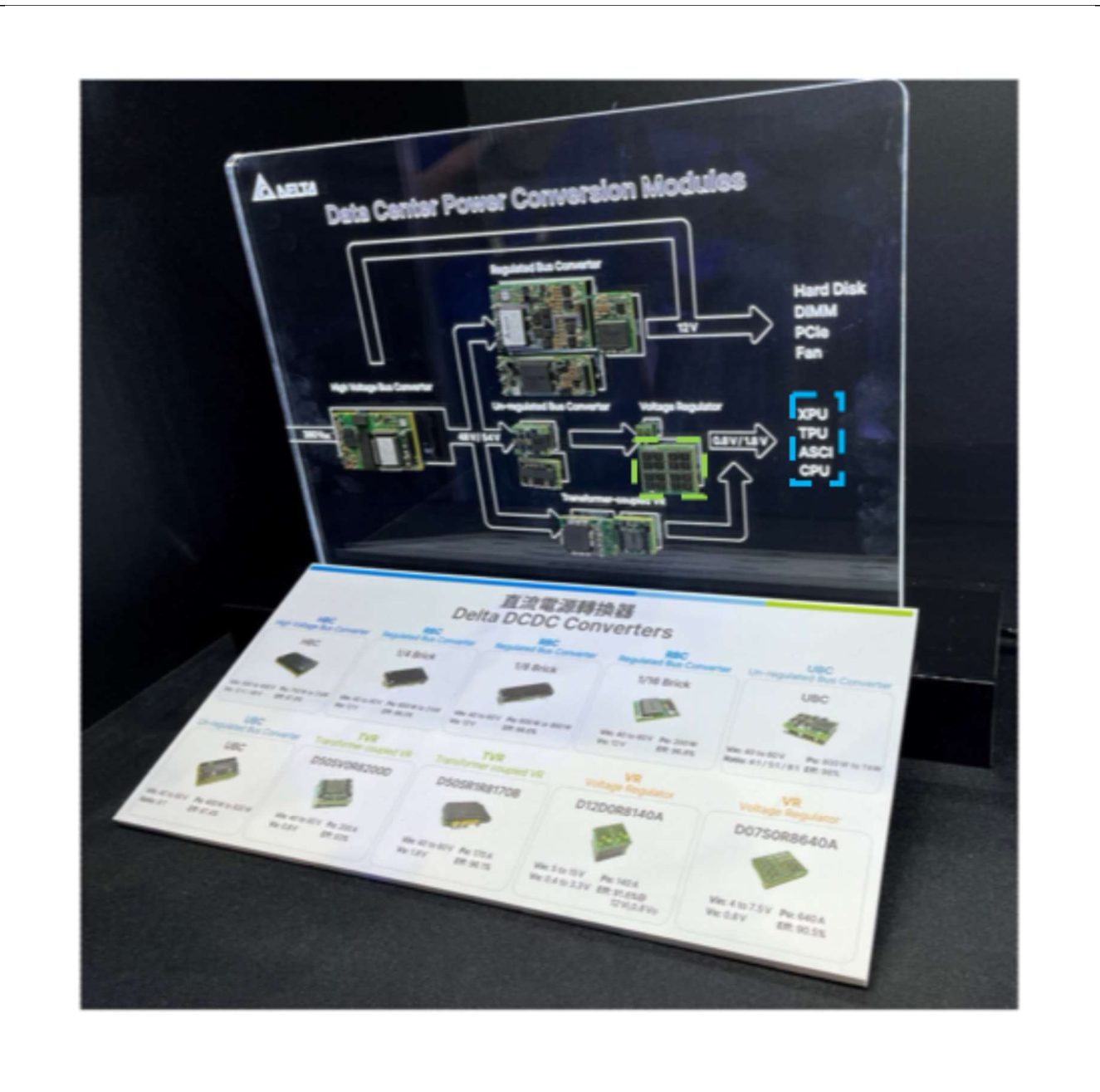
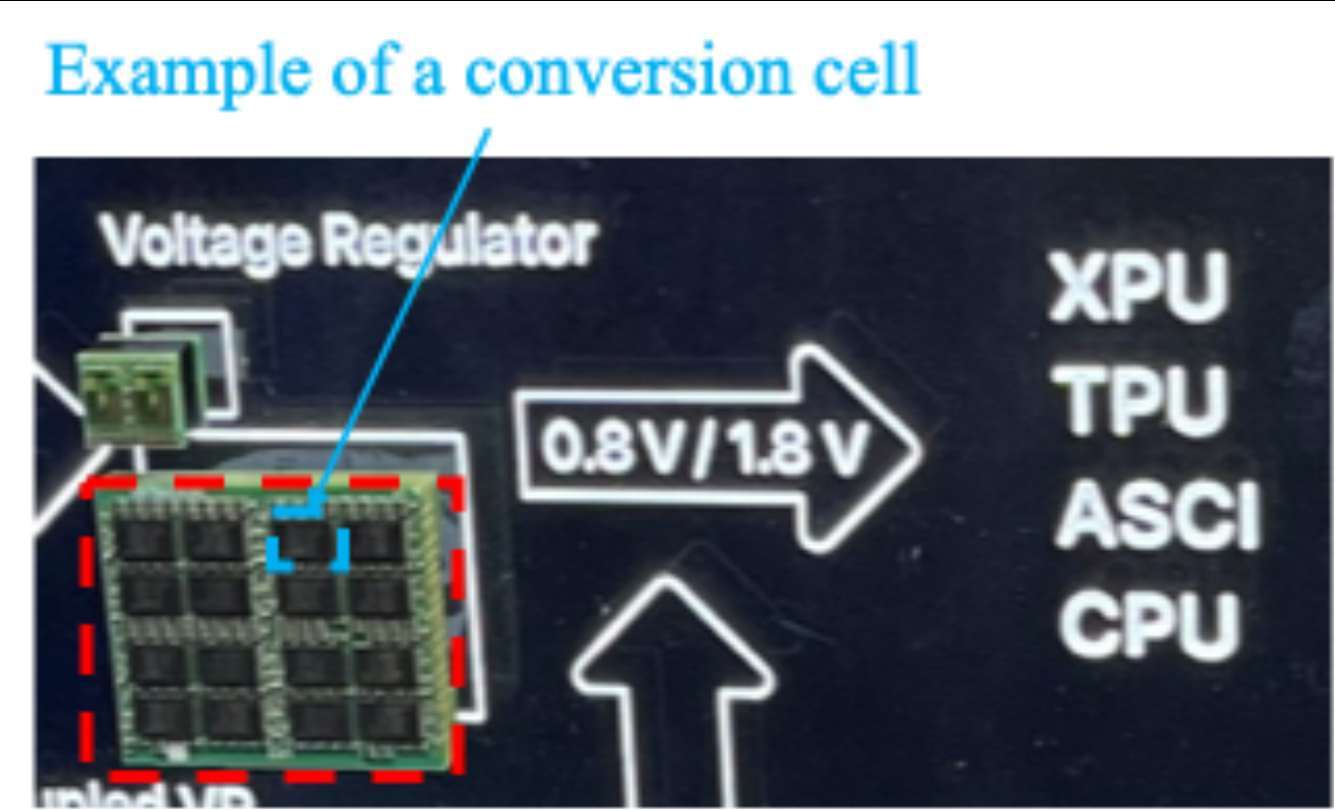
Vicor alleges infringement by Delta’s vertical power delivery modules and systems using those modules. The exhibits Vicor submitted reproduce photographs of Delta’s display boards and identify power modules and conversion units.
Infineon
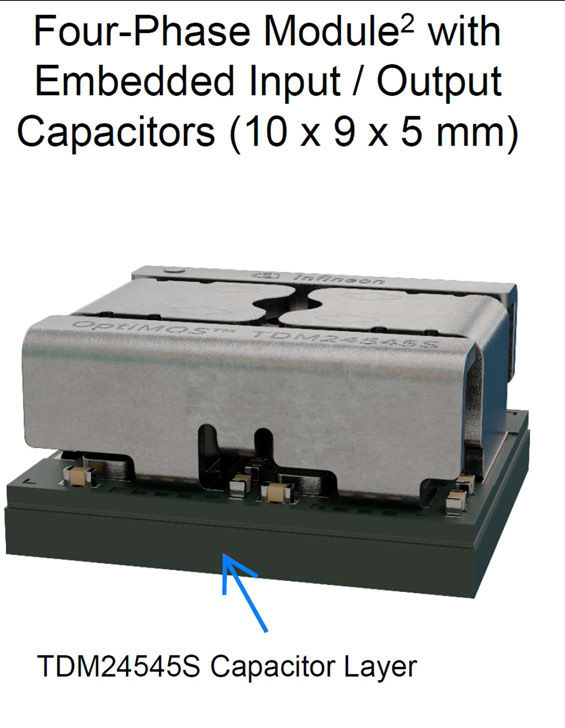
The accused Infineon products include the TDM24545S vertical power delivery module. Vicor also alleges that Infineon supplies OptiMOS products to Delta for incorporation into Delta’s vertical power delivery modules; the OptiMOS products listed in the exhibit submitted by Vicor include TDM24545S. Infineon thus faces allegations concerning both its own power modules and products supplied to Delta.
Luxshare
| Company | Description |
|---|---|
| Luxshare Precision Industry | Luxshare Precision Industry Co., Ltd. |
| Dongguan Luxshare Technology (also known as Luxshare-Tech) | Dongguan Luxshare Technology Co., Ltd. |
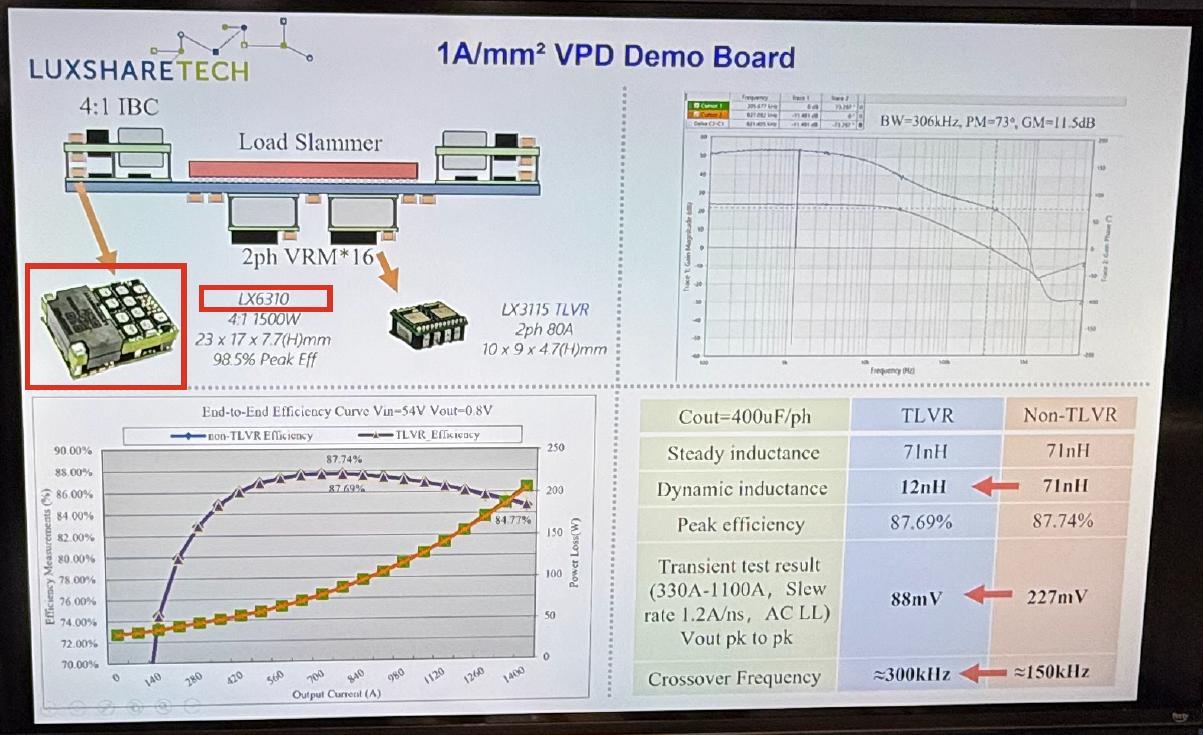
Vicor alleges infringement by Luxshare’s vertical power delivery modules and related systems, citing photographs of Luxshare display boards and product information in the exhibits it submitted.
MPS
| Company | Description |
|---|---|
| Monolithic Power Systems | Monolithic Power Systems, Inc. |
| Chengdu Monolithic Power Systems | Chengdu Monolithic Power Systems Co., Ltd. |
| MPS International (Shanghai) | MPS’s Shanghai subsidiary |
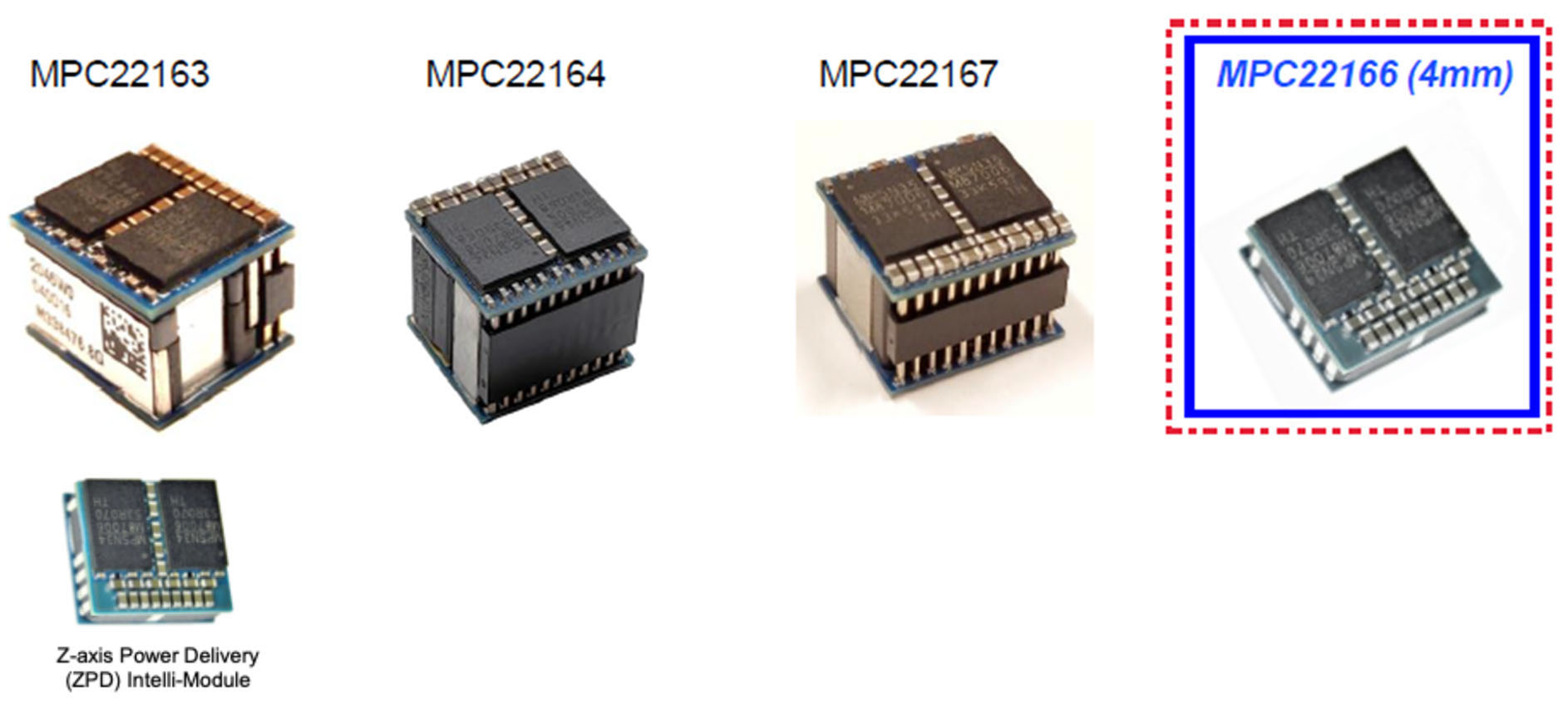
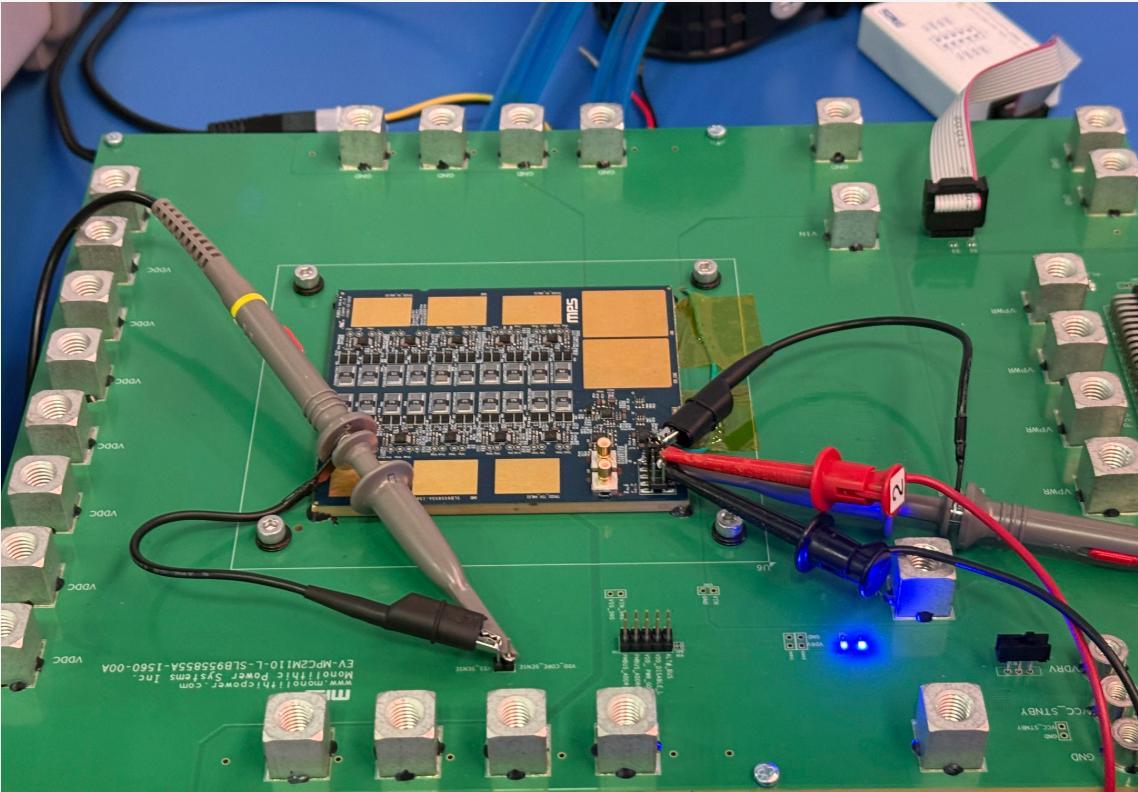
MPS calls its architecture Z-Axis Power Delivery (ZPD). Vicor’s allegations include the MPC22166 power module and the MPC2M110-L power assembly, which combines multiple modules on a circuit board connected to the chip below. The dispute concerns these modules, the interconnection board and the computing systems that use them.
Module supply and system manufacturing
Flex
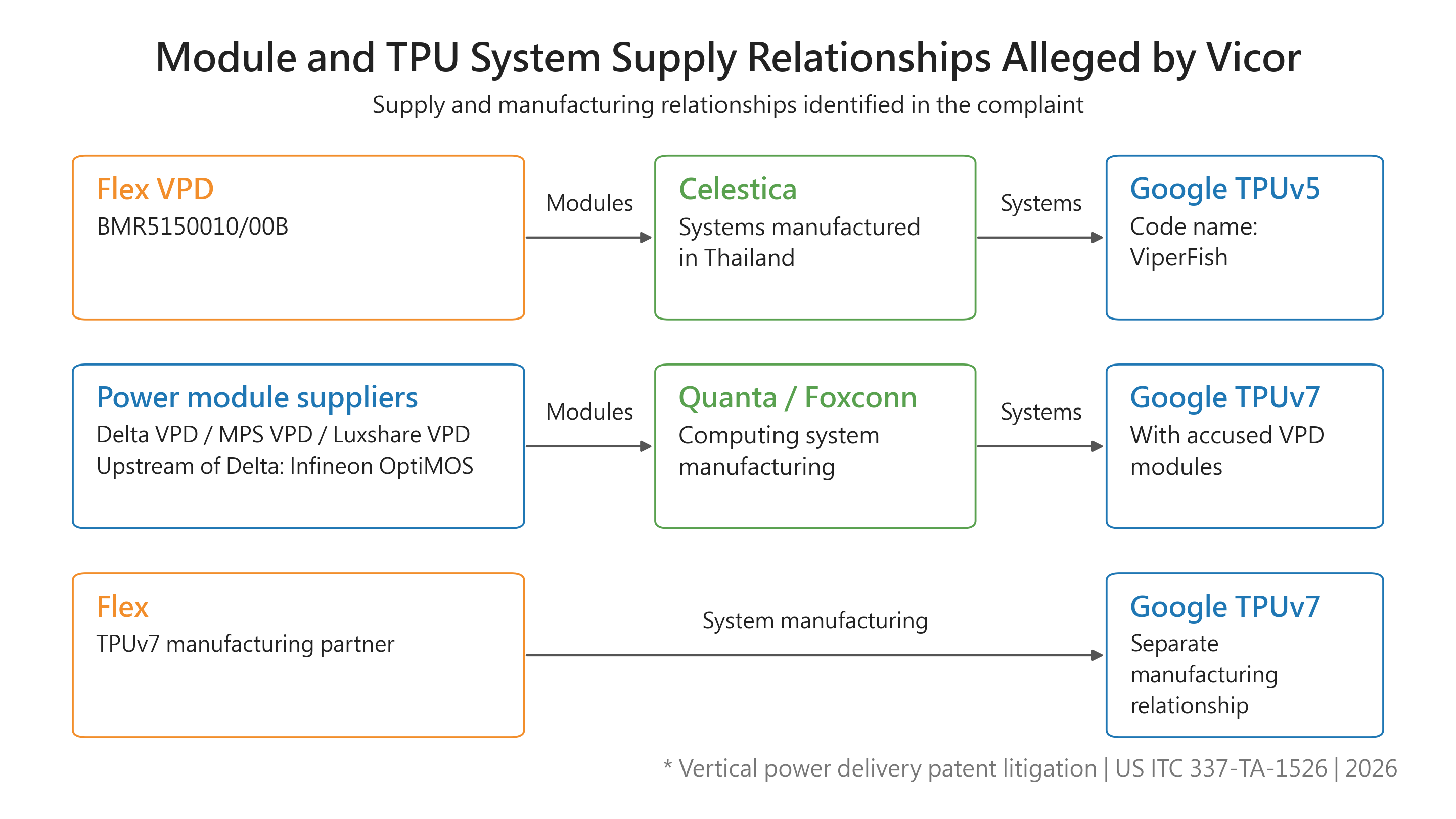
Google’s Tensor Processing Unit (TPU) is a chip used for AI computing. Flex is accused both of supplying vertical power delivery modules and of manufacturing Google TPU systems containing accused modules. Vicor states that, during a visit to Celestica’s factory in Thailand, a Vicor employee was told that the factory used Flextronics part number BMR5150010/00B to manufacture Google TPUv5 systems. Vicor alleges that this part number identifies a Flex vertical power delivery module. Vicor also states that Flex is one of Google’s TPUv7 contract manufacturing partners.
Computing system manufacturing and contract manufacturing
Celestica
Vicor cites Google TPUv5 systems manufactured by Celestica in Thailand as an example of systems using Flex modules. It also alleges infringement by systems using modules from other accused suppliers.
Quanta
| Company | Description |
|---|---|
| Quanta Computer | Quanta Computer Inc. |
| Quanta Cloud Technology | Quanta Cloud Technology Inc. |
| Quanta Cloud Technology USA | A US subsidiary of Quanta |
| Quanta Computer USA | A US subsidiary of Quanta |
Foxconn
| Company | Description |
|---|---|
| Hon Hai Precision Industry (doing business as Foxconn) | Hon Hai Precision Industry Co., Ltd. |
| Foxconn Industrial Internet | Foxconn Industrial Internet Co., Ltd. |
| FII USA (also known as Foxconn Industrial Internet USA) | A US subsidiary of Foxconn |
| Ingrasys Technology | Ingrasys Technology Inc. |
| Ingrasys Technology USA | A US subsidiary of Foxconn |
Vicor alleges that Quanta and Foxconn manufacture Google TPUv7 systems using primarily Delta modules, as well as MPS and Luxshare modules. Vicor separately accuses both companies of infringement through systems using Flex modules; that allegation does not identify a TPU generation. Vicor names these contract manufacturers because the accused modules are incorporated into computing systems they manufacture, sell or import.
Google TPU at the center of the allegations
Vicor’s allegations encompass vertical power delivery systems for AI accelerators, GPUs and CPUs, but the specific supply-chain examples it identifies focus mainly on Google TPU. Vicor states that it previously provided power delivery solutions to Google. Google subsequently sought multiple sources of supply, with the named companies participating in supply and manufacturing for different TPU generations.
The TPUv5 example links Flex and Celestica. The TPUv7 examples link Delta, MPS and Luxshare with Quanta, Foxconn and Flex. This explains why a single power delivery dispute involves both upstream module suppliers and downstream contract manufacturers.
References
- Notice of Institution of Investigation
- Verified Complaint of Vicor Corporation Under Section 337 of the Tariff Act of 1930
- Exhibit 27 — Infringement Claim Chart for Delta
- Exhibit 29 — Infringement Claim Chart for Infineon (Public Version)
- Exhibit 31 — Infringement Claim Chart for Luxshare
- Exhibit 33 — Infringement Claim Chart for MPS
- Exhibit 35 — Infringement Claim Chart for Flex (Public Version)
- Cerebras Systems Inc. — Form S-1 Registration Statement
- Cerebras Systems Unveils World’s Fastest AI Chip with Whopping 4 Trillion Transistors